Blog Detail

- Oct 13, 2026
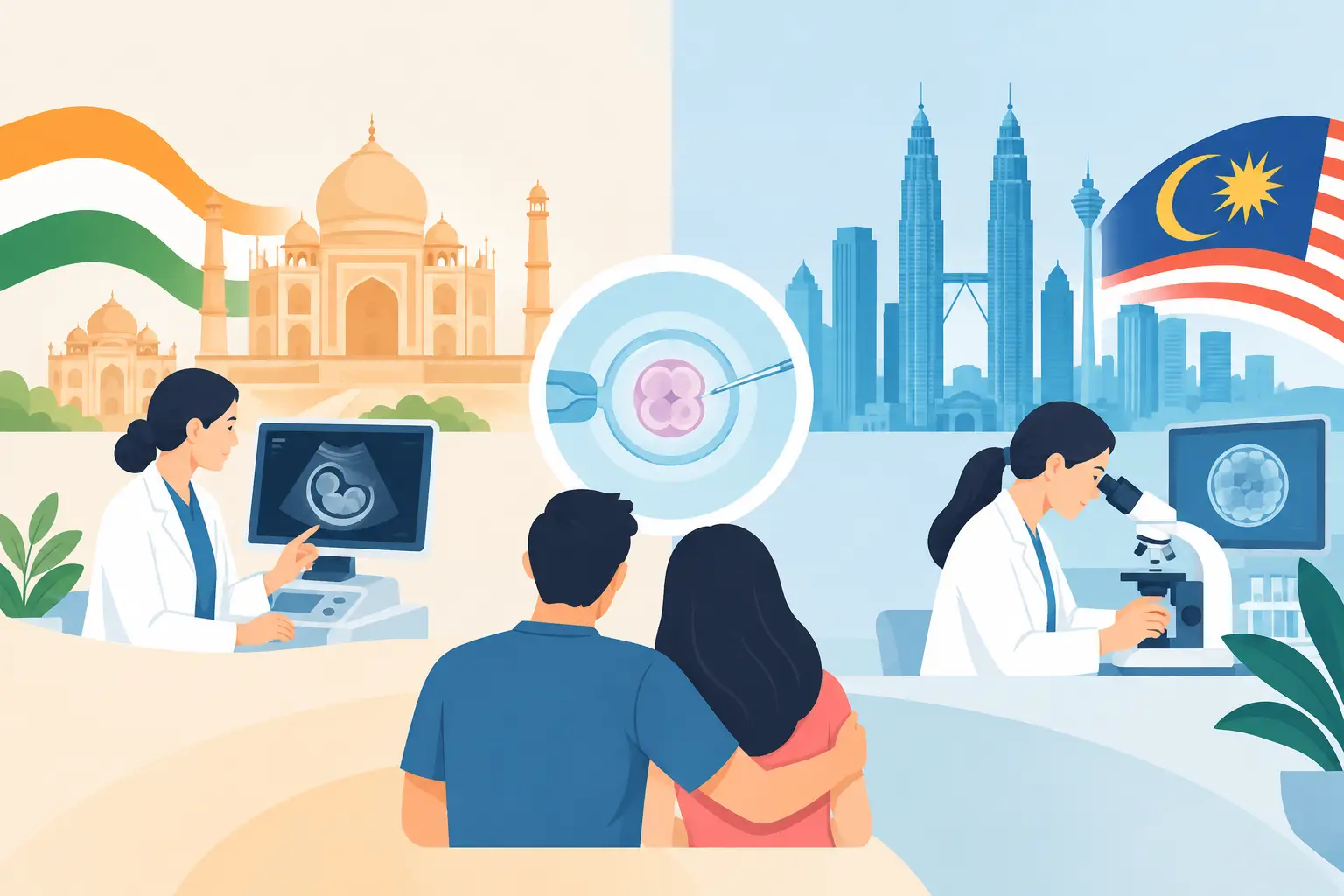
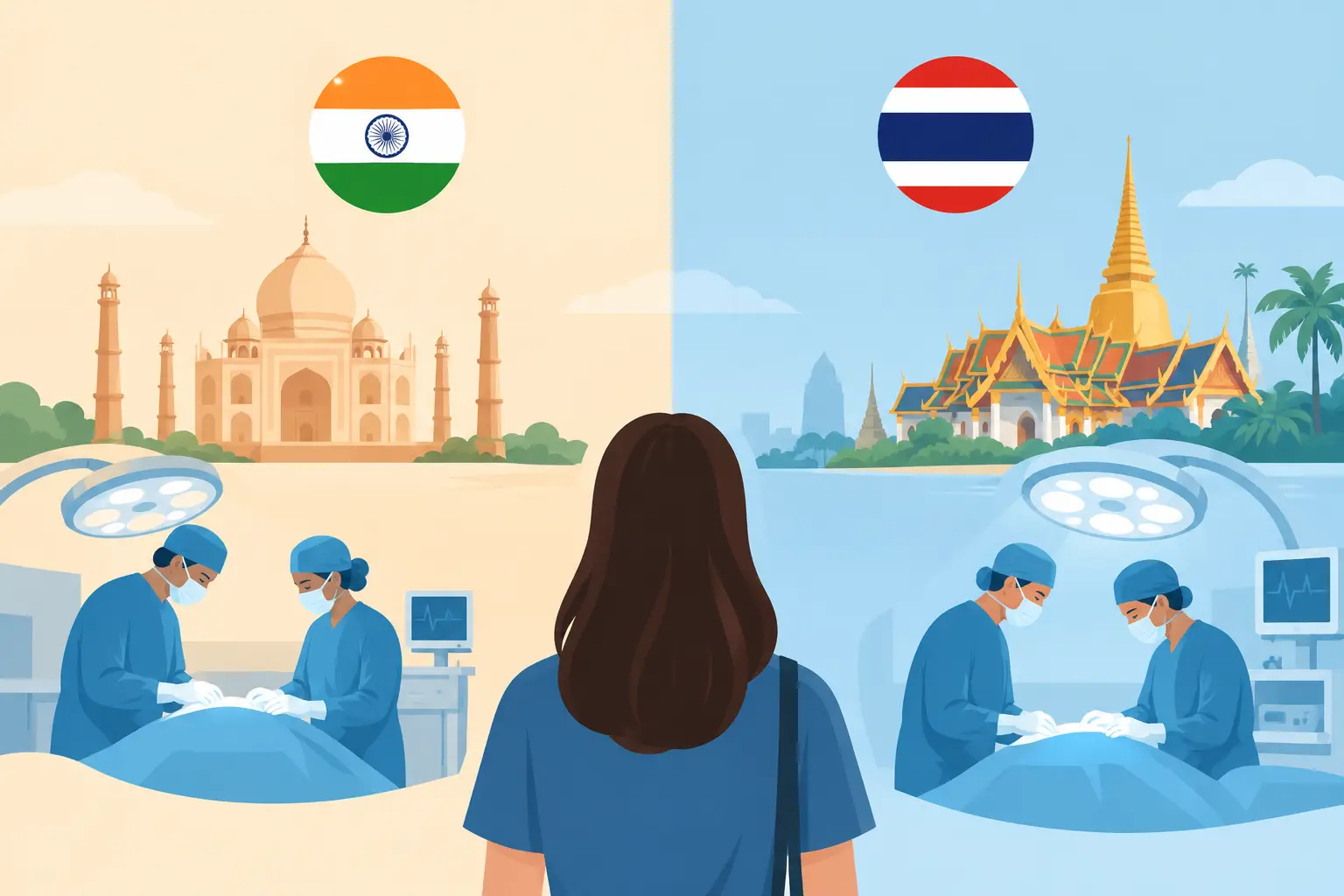
For New Zealand couples facing long waits, limited funding or the pressure of a fertility timeline, Thailand vs Malaysia IVF is not simply a question of destination. It is a decision about clinical fit, legal eligibility, time away from home, budget certainty and the support available when treatment feels deeply personal. Both countries offer sophisticated fertility care, experienced specialists and modern laboratories, but the right choice depends on your circumstances.
Thailand vs Malaysia IVF: the key difference
Thailand is widely known for its well-developed private healthcare sector, international hospitals and broad range of fertility services. It can be an appealing choice for patients who want treatment in a major medical hub with extensive travel infrastructure and a wide selection of hospital-based programmes. Bangkok in particular has internationally trained fertility specialists and advanced reproductive laboratories.
Malaysia has earned a strong reputation for high-quality private hospitals, English-speaking clinical teams and a calm, organised experience for international patients. Kuala Lumpur and Penang are common choices for fertility treatment, with many clinics offering IVF, intracytoplasmic sperm injection (ICSI), embryo freezing and genetic testing where clinically appropriate.
Neither destination is automatically better. A couple needing a straightforward IVF cycle may place more value on clear communication, travel convenience and transparent inclusions. Someone considering donor treatment, genetic testing, male-factor infertility care or a complex history of miscarriage needs a clinic that can confirm it has both the legal pathway and laboratory capability for their specific plan.
Start with eligibility, not price
Fertility treatment is regulated differently in every country. This matters particularly for international patients, because what a clinic can offer is shaped by national law, professional guidelines and its own ethical policies.
Thailand has tightened aspects of its assisted reproduction laws over recent years. Eligibility for IVF and the availability of donor programmes or surrogacy arrangements can depend on marital status, citizenship, the relationship between partners and the intended treatment. Commercial surrogacy is prohibited. Rules and their interpretation can change, so patients should receive written confirmation from the treating provider before booking flights or paying deposits.
Malaysia also has professional and regulatory requirements that influence who can access assisted reproductive treatment and which services are available. Policies may vary between providers, especially for donor eggs, donor sperm, embryo storage and genetic testing. While many New Zealand patients find Malaysia straightforward to navigate, it is never safe to assume a treatment offered in one country or clinic will be available in another.
A reputable coordinator will ask the right questions early and seek confirmation from the hospital, rather than encouraging you to travel based on a general online description. This protects your time, finances and emotional wellbeing.
Comparing clinical quality and treatment options
In both Thailand and Malaysia, leading private hospitals and fertility centres invest heavily in embryology laboratories, ultrasound technology, time-lapse embryo monitoring, cryopreservation and ICSI. Some offer preimplantation genetic testing (PGT) for patients with defined clinical indications. The presence of technology alone, however, does not tell the full story.
Ask how the clinic assesses ovarian reserve, sperm factors, uterine health and previous treatment history. Ask who will manage your cycle, whether your doctor is available for key decisions, and how the laboratory maintains quality control. A clinic should explain the recommended protocol in plain language, including why it suits your medical history and what alternatives could be considered.
Published success rates deserve careful reading. Age, diagnosis, whether rates refer to fresh or frozen transfers, and whether they measure clinical pregnancy or live birth all affect the numbers. A clinic that promises a guaranteed outcome should be treated with caution. IVF improves the chance of pregnancy for many people, but it cannot remove uncertainty.
For New Zealand patients, hospital accreditation is another useful measure. Internationally recognised accreditation and formal laboratory quality systems can indicate a serious commitment to patient safety. They should sit alongside specialist credentials, transparent reporting and a willingness to answer difficult questions.
Cost comparison: look beyond the advertised cycle
The cost of IVF in Thailand or Malaysia can be considerably lower than self-funded treatment in New Zealand, particularly where private hospital charges, laboratory fees and medication costs are combined. Yet the lowest advertised package is not always the best value.
An IVF quote may include consultations, egg collection, anaesthesia, fertilisation and one embryo transfer. It may exclude fertility medication, ICSI, blastocyst culture, embryo freezing, storage, PGT, donor arrangements, repeat scans, blood tests or treatment for unexpected complications. Travel, accommodation, meals and time away from work also need to be factored in.
Malaysia can appeal to patients looking for a structured private-hospital experience with comparatively easy English communication and competitive overall costs. Thailand may offer more choice among large international hospitals and clinics, although pricing can vary significantly depending on the city, specialist and treatment complexity.
The practical question is not, “Which country has the cheapest IVF?” It is, “Which confirmed plan gives us the clearest clinical pathway and the fewest financial surprises?” Request an itemised estimate that separates mandatory charges from possible add-ons. If medication is not included, ask for a realistic range based on your anticipated protocol.
Travel and timing from New Zealand
An IVF cycle requires more planning than a short procedure. The first stage may involve testing and medication coordination at home, followed by monitoring scans, egg collection and fertilisation overseas. Depending on the approach agreed with your specialist, you may need to stay for two to three weeks, or travel again for a frozen embryo transfer.
Thailand offers frequent international flight connections and a tourism network that can make longer stays feel manageable. Malaysia is also well connected and is often valued for its accessible private hospitals, urban accommodation options and ease of communication in English. The best location may come down to the clinic timetable rather than the destination itself.
Before committing, clarify whether monitoring can be completed in New Zealand, how results will be transferred securely, and what happens if your body responds differently to medication than expected. You should also discuss how many days you may need to remain in-country after egg collection and when it is medically appropriate to fly.
Travelling with a partner or support person can make a real difference. Egg collection often involves sedation, and fertility treatment can be emotionally demanding even when everything runs to plan. Accommodation close to the hospital, airport transfers and a reliable point of contact are not luxuries. They reduce avoidable stress when your attention needs to be on treatment.
Questions that should shape your decision
Before choosing Thailand or Malaysia, make sure you have clear answers to these practical questions:
- Are we eligible for this exact treatment under current local rules and the clinic’s policy?
- What is included in the written estimate, and what costs may arise if the cycle changes?
- Which doctor and embryology team will oversee our care, and how will they communicate with us?
- What follow-up is needed once we return to New Zealand, including medication, pregnancy blood tests and early scans?
It is also worth asking how embryos are stored, what consent forms are required, how long storage can continue and what options exist if you have remaining embryos after treatment. These conversations can feel difficult before a cycle starts, but clarity now can prevent distress later.
Choosing a supported pathway
Arranging overseas IVF independently can mean comparing clinics, translating treatment plans into travel dates, interpreting package exclusions and managing communication across time zones. That is a lot to carry while dealing with infertility.
Wellaway Meditours can help New Zealand patients compare suitable accredited hospital options in Thailand and Malaysia, coordinate appointments and travel arrangements, and understand the practical details around a proposed treatment pathway. Clinical decisions remain between you and your fertility specialist, but coordinated support can make the journey feel less fragmented.
The right IVF destination is the one that treats you as more than a booking: with a lawful, clinically appropriate plan, honest costs and enough support for you to focus on the next step with confidence.