
Blog Detail
- Aug 30, 2026
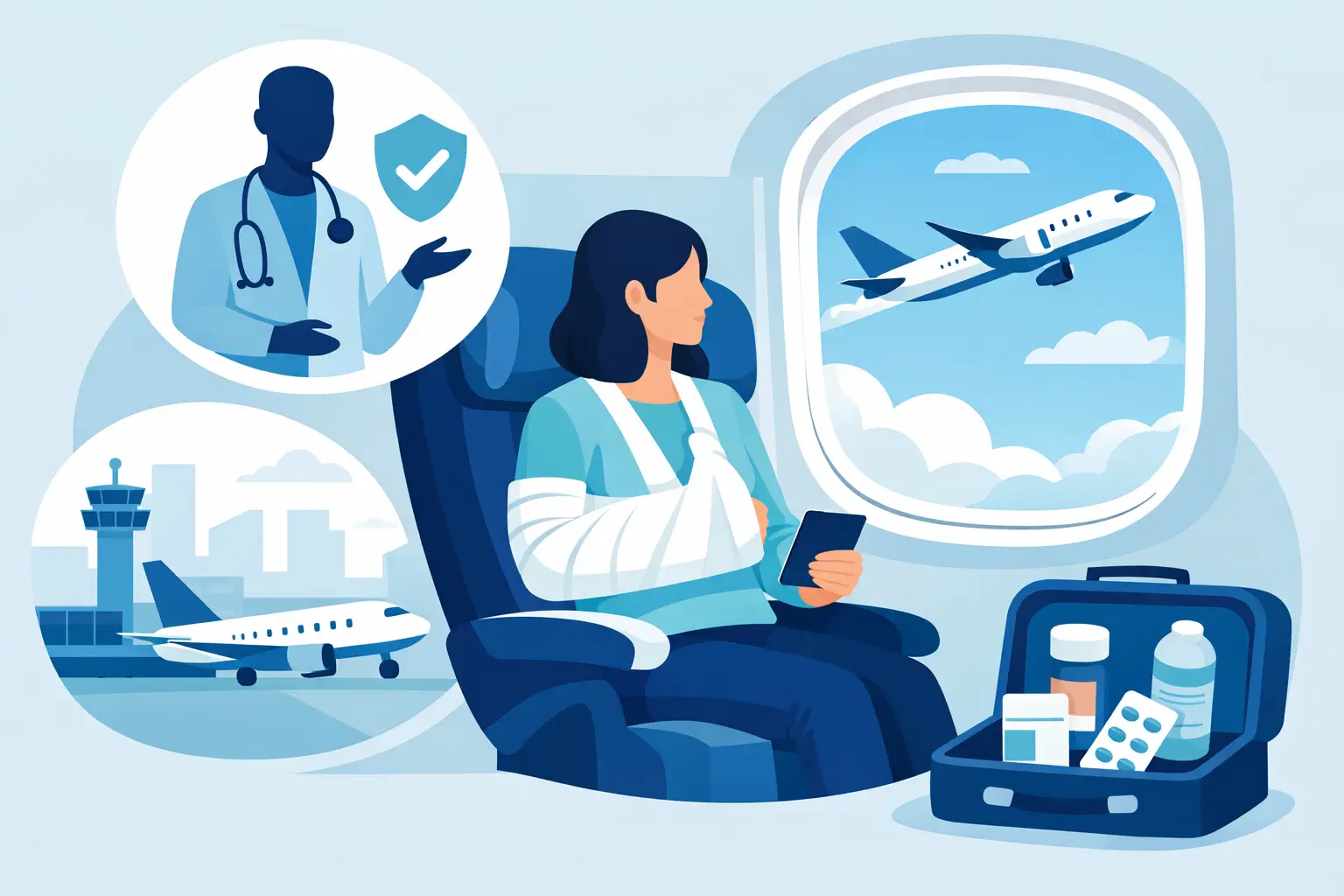
The question “can I fly after surgery” becomes far more urgent when home is New Zealand and your return journey may involve several flights, airport queues and many hours seated. The safest answer is not based on a standard number of days. It depends on your procedure, your recovery, any complications, your personal clot risk and the clinical assessment of your treating surgeon.
For patients travelling overseas for planned care, the return flight should be part of the treatment plan from the beginning, not an afterthought once discharge day arrives. A good outcome includes being medically ready to travel, having the right support in place and knowing what to do if symptoms develop after you return home.
Can I fly after surgery? Start with medical clearance
Only your treating surgeon or specialist can confirm that you are fit to fly. This clearance matters because cabin pressure, reduced oxygen levels, prolonged sitting, lifting luggage and the general demands of travel can place extra strain on a body that is still healing.
Before confirming flights, ask your clinical team for a clear plan covering your expected discharge date, the earliest appropriate flight date, medication instructions and any restrictions on mobility or lifting. If you have had a complication such as infection, bleeding, shortness of breath, a wound issue or an unexpected hospital readmission, your flight schedule may need to change.
Airlines may also have their own medical clearance process. This is particularly common after major surgery, when travelling with oxygen, using a wheelchair, carrying medical equipment or needing help during the flight. A fit-to-fly letter should state your diagnosis or procedure where appropriate, current stability, medicines or equipment required, and whether you need airport or inflight assistance.
Why flying too soon can be risky
The most significant concern after many operations is venous thromboembolism – a blood clot in a deep vein, usually in the leg, which can travel to the lungs and cause a pulmonary embolism. Surgery itself raises clot risk, and long periods of immobility add to it. A long-haul flight back to New Zealand can be especially demanding after hip, knee, spine, abdominal, cardiac or cancer surgery.
Flying can also worsen discomfort from post-operative swelling. After abdominal or laparoscopic surgery, trapped gas can expand at altitude and cause pain. Following chest surgery, any remaining air around the lungs needs careful assessment. Some brain, eye and ear procedures have specific pressure-related risks that make early air travel unsuitable.
Then there is the practical side of recovery. Managing a fresh wound in a crowded airport, getting in and out of a narrow aircraft seat, reaching an overhead locker or navigating a connection can be difficult even when a patient feels reasonably well. Feeling well enough to leave hospital is not always the same as being ready for a long international journey.
Typical timing varies by procedure
General timeframes can help with early planning, but they are not a substitute for personal medical advice. Your surgeon’s recommendation takes priority, particularly if you have existing heart, lung, circulation or mobility conditions.
Minor and day procedures
For uncomplicated minor surgery, a short flight may sometimes be possible after one or two days. This can include certain skin procedures or dental treatments, provided pain is controlled and there is no heavy bleeding, sedation-related issue or wound concern. Longer flights may warrant a more cautious approach.
Keyhole and abdominal surgery
Many patients need to wait several days after laparoscopic surgery because of the gas used during the procedure. After open abdominal surgery, recovery is usually longer due to pain, wound healing, bowel function and clot risk. A surgeon may advise waiting around 10 days or more, but this varies considerably with the operation and your progress.
Hip, knee and spine surgery
Joint replacement and major spine procedures require particularly careful return-flight planning. Reduced mobility, post-operative swelling and a higher risk of blood clots can make an early long-haul journey unsafe. Some patients may be cleared to travel after a few weeks, while others need longer, especially if rehabilitation milestones have not been met.
Your team may prescribe blood-thinning medication, compression stockings or both. These measures can reduce risk, but they do not make it safe to ignore the recommended recovery period. You should also discuss seating, legroom, mobility assistance and whether you can safely manage the journey between flights.
Cardiac, chest and vascular procedures
After angioplasty, bypass surgery, valve surgery or other cardiac treatment, fitness to fly depends on heart function, rhythm stability, oxygen needs, wound healing and the complexity of the procedure. Patients recovering from chest surgery may need confirmation that there is no remaining air leak or other issue that could worsen with cabin pressure. Travel should be approved by the treating cardiologist or surgeon, not assumed from how you feel on a particular day.
Eye, brain and specialist procedures
Retinal surgery involving a gas bubble is a clear example of why individual advice matters: flying may be dangerous until the bubble has fully absorbed. Neurosurgery can also require confirmation that any air introduced during surgery has resolved. For fertility care, travel plans should be discussed with the clinic around egg collection, embryo transfer and early pregnancy monitoring. Kidney transplant, cancer treatment and complex urology patients may need extended local follow-up before international travel is considered.
Plan the flight as part of your recovery
A return journey is easier and safer when the details are arranged before surgery. Build flexibility into your flights where possible. Booking the cheapest fixed return date can become expensive and stressful if your medical team advises a longer stay.
For a long journey, request special assistance through the airline in advance. Wheelchair support does not mean you have lost independence – it conserves energy and reduces the risk of a fall across large terminals. Consider an aisle seat so you can stand and move more easily, and avoid carrying bags through the airport. A companion can be invaluable after major treatment, particularly where medication, mobility, language or fatigue are concerns.
Your discharge documents should travel with you in your hand luggage, alongside enough medication for the full journey and several extra days in case of delays. Keep medicines in their original labelled packaging. Carry a current medication list, details of allergies, copies of relevant scans or reports if supplied, and contact numbers for the hospital or treating team.
If your clinician agrees, gentle movement during the flight is often encouraged. Walk short distances when the seatbelt sign is off, perform simple ankle movements while seated, stay hydrated and avoid alcohol if it conflicts with medication or recovery. Do not start aspirin, anticoagulants or compression stockings solely because of travel advice online – these should be used only as directed by your clinical team.
When to delay your flight and seek urgent help
Do not board a flight if you have new or worsening symptoms that could signal a complication. Seek urgent medical assessment if you experience:
- chest pain, sudden shortness of breath, coughing blood or fainting
- one-sided calf or thigh pain, swelling, warmth or redness
- fever, increasing wound redness, pus, uncontrolled bleeding or a wound that opens
- severe or worsening pain, repeated vomiting, confusion or new weakness
- palpitations, a markedly fast heartbeat or symptoms that feel different from your expected recovery.
These symptoms do not always mean a serious complication, but they should never be managed by simply pushing through the journey home. Tell the hospital team, travel companion and airline staff if you need assistance.
A supported return is part of safer medical travel
Choosing overseas treatment can offer New Zealanders faster access to accredited hospitals, experienced specialists and meaningful savings. It also requires a realistic recovery window. The right destination is not only one that offers the procedure you need – it is one where you can stay long enough for proper post-operative review before undertaking a substantial flight home.
Wellaway Meditours helps patients plan treatment travel with the whole pathway in mind, including hospital coordination, accommodation, companion arrangements, airport transfers and post-treatment support. That coordination is especially valuable when a surgeon recommends a changed travel date or extra follow-up before departure.
Give yourself permission to prioritise recovery over a rigid itinerary. A few additional days near your treating hospital can be a sensible investment in a safer, more comfortable journey home – and in the confidence to focus on getting well once you are back in New Zealand.