Blog Detail

- Jul 19, 2026
A knee that hurts with every stair, short walk or trip to the shops can shrink a person’s world quickly. For New Zealanders facing a long wait, or a private surgery quote that feels out of reach, the question is understandably direct: is knee replacement safe in India?
It can be, provided the surgery is arranged through the right hospital and surgeon, with a realistic recovery and travel plan. India has highly capable orthopaedic centres, internationally trained specialists and advanced joint-replacement technology. It also has wide variation between providers. Safety is not a feature of a country alone. It comes from choosing the clinical team, hospital standards and aftercare pathway carefully.
Is knee replacement safe in India? The honest answer
Knee replacement is a major operation wherever it is performed. The core risks – infection, blood clots, bleeding, stiffness, nerve or blood-vessel injury, implant problems and complications from anaesthetic – are not unique to India. A safe result depends on sound patient assessment, precise surgery, infection control, early mobilisation, physiotherapy and prompt management if something does not go to plan.
At leading Indian hospitals, patients can access modern operating theatres, digital imaging, intensive care support and implant systems used internationally. Many orthopaedic surgeons have fellowships or specialist training in Australia, the UK, Europe or North America, and perform high volumes of hip and knee procedures each year. High surgical volume can matter, especially when it is paired with transparent outcomes, experienced nursing teams and clear clinical protocols.
However, a low advertised price should never be the deciding factor. A hospital that cannot clearly explain its accreditation, surgeon credentials, implant brand, infection-control approach or post-operative plan is not giving a patient enough information to make a serious medical decision.
What safe care looks like before surgery
The safest pathway begins well before a flight is booked. A reputable hospital will review your scans, medical history, medicines and general health to confirm that knee replacement is appropriate. Arthritis seen on an X-ray does not automatically mean surgery is the right answer. Your pain level, mobility, prior non-surgical treatment, weight, heart and lung health, diabetes control and expectations all need consideration.
For some people, a partial knee replacement may be suitable. For others, a total knee replacement is more appropriate. The decision should be based on the pattern of joint damage and the surgeon’s assessment, not on a one-size-fits-all package.
Ask whether the proposed surgeon is a dedicated orthopaedic or joint-replacement specialist, how often they perform the procedure, and who will be responsible for your care after surgery. You should also receive a clear explanation of the implant being used. Well-known implant manufacturers are commonly available at major Indian hospitals, but patients should know the exact product, why it has been selected and what documentation they will take home.
Accreditation is a useful starting point, not the whole answer
Hospital accreditation provides an important layer of reassurance. International accreditation can indicate that a hospital has been assessed against established standards for patient safety, medication management, infection prevention and clinical governance. Indian national accreditation may also be relevant.
Still, accreditation should be part of a broader check. The practical questions matter just as much: Is there a dedicated orthopaedic ward? Is physiotherapy available from the first days after surgery? Does the hospital have critical-care capability? Can it support patients with complex conditions such as heart disease or diabetes? Will the treating team provide a detailed discharge report in English?
A well-organised facilitator can help patients compare these details rather than relying on glossy marketing or a single online review.
Surgical technology can help, but it is not a guarantee
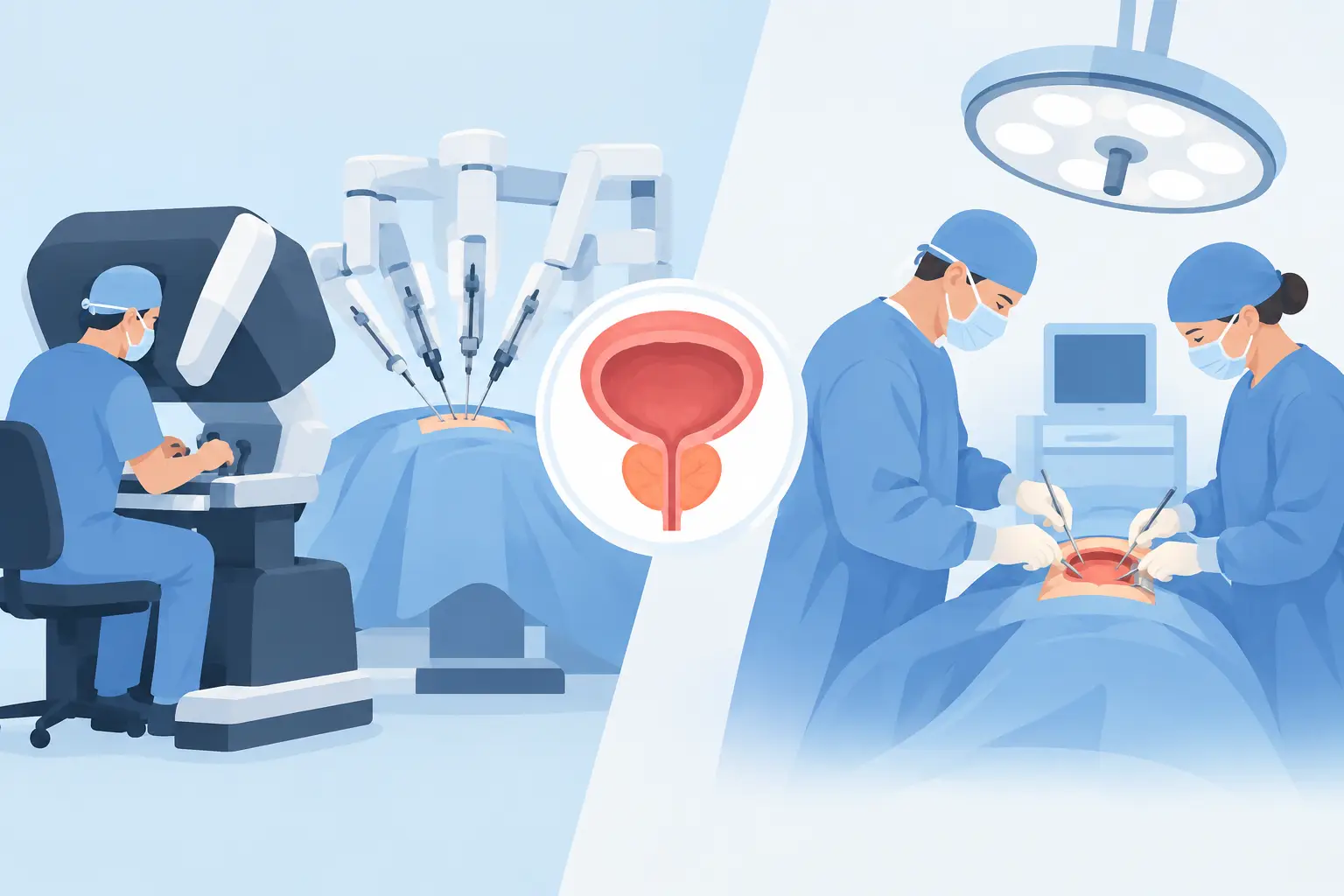
Some Indian hospitals offer robotic-assisted knee replacement, computer navigation and patient-specific planning. These tools can support accurate bone preparation and implant alignment in selected cases. They may be worth discussing, particularly if the hospital and surgeon use them routinely and can explain why they suit your knee.
Technology does not replace surgical judgement. A conventional knee replacement performed by an experienced surgeon in a well-run hospital may be a better choice than a heavily marketed robotic procedure without the same depth of clinical support. The right question is not simply, “Do you have a robot?” It is, “What approach gives me the most appropriate and reliable outcome?”
The travel issue: when can you safely fly home?
For Kiwis, recovery planning is one of the most important parts of deciding whether knee replacement in India is safe. A long-haul flight shortly after major lower-limb surgery needs careful management because reduced movement can increase the risk of deep vein thrombosis and pulmonary embolism.
Your surgeon must determine when you are medically fit to travel. That decision should take account of wound healing, mobility, pain control, any complications, your personal clotting risk and the length of your journey home. Do not treat a standard itinerary as a medical clearance.
Before travelling, patients should understand their blood-thinning plan, compression requirements if prescribed, exercises to complete during the journey and warning signs that need urgent review. It is sensible to arrange extra-legroom or an appropriate seating option where possible, assistance through airports, accessible accommodation and a companion if you will need practical support.
Most patients also need time in the destination after discharge for wound checks, early physiotherapy and surgical review. Trying to compress surgery, rehabilitation and international travel into the shortest possible stay can turn a cost-saving decision into an avoidable risk.
Recovery is where good planning proves its value
A new knee does not deliver its benefit on the day of surgery. Recovery requires commitment. Early movement is usually encouraged under the guidance of the hospital physiotherapy team, and discomfort, swelling and disrupted sleep are common in the first weeks.
Once home in New Zealand, ongoing physiotherapy is usually essential to rebuild strength, improve bend and straighten the knee. Patients should leave India with operative notes, imaging where available, a medication list, implant details, rehabilitation instructions and contact information for the treating team. This information helps your GP, physiotherapist and any local specialist understand exactly what was done.
It is also wise to discuss follow-up care before departing New Zealand. Your local health professionals may not be able to take responsibility for another surgeon’s operation, but they can play an important role in routine recovery support and identifying concerns early. A coordinated pathway should make this handover clear rather than leaving patients to manage it alone.
Who may need a more cautious approach?
Medical travel is not equally suitable for everyone. Patients with poorly controlled diabetes, significant heart or lung disease, a history of blood clots, severe obesity, active infection, complex medication needs or limited support at home may require additional assessment. In some situations, the safest choice may be to have surgery closer to home, even if the wait or cost is difficult.
The same applies if you cannot stay long enough for appropriate post-operative review, are unable to manage the long journey, or do not have a workable plan for rehabilitation in New Zealand. A responsible provider should be willing to say when overseas surgery is not the best fit.
Questions worth asking before you commit
Before choosing a hospital, request clear answers on the surgeon’s qualifications and annual joint-replacement volume, hospital accreditation, implant make and model, what the quoted price includes, and what happens if complications extend your stay. Ask how infection prevention, pain relief, blood-clot prevention and physiotherapy are managed. Confirm the expected length of stay, the recommended time before flying and the documents you will receive for care at home.
Also ask who is available outside normal hours if you or your family have concerns. Medical travel involves more than an operation and a hotel booking. It involves decisions about travel, communication, recovery and contingencies at a time when you may be in pain and away from your usual support network.
Wellaway Meditours helps New Zealand patients assess accredited hospital options and coordinate the practical parts of an overseas treatment journey, including travel, accommodation and post-treatment planning. That support should complement, never replace, direct conversations with the treating surgeon.
A knee replacement in India can offer timely, high-quality care at a substantially lower cost for the right patient. Take the time to examine the clinical detail behind the quote, allow enough room for recovery, and choose a pathway that supports you well after the operating theatre lights are off.